
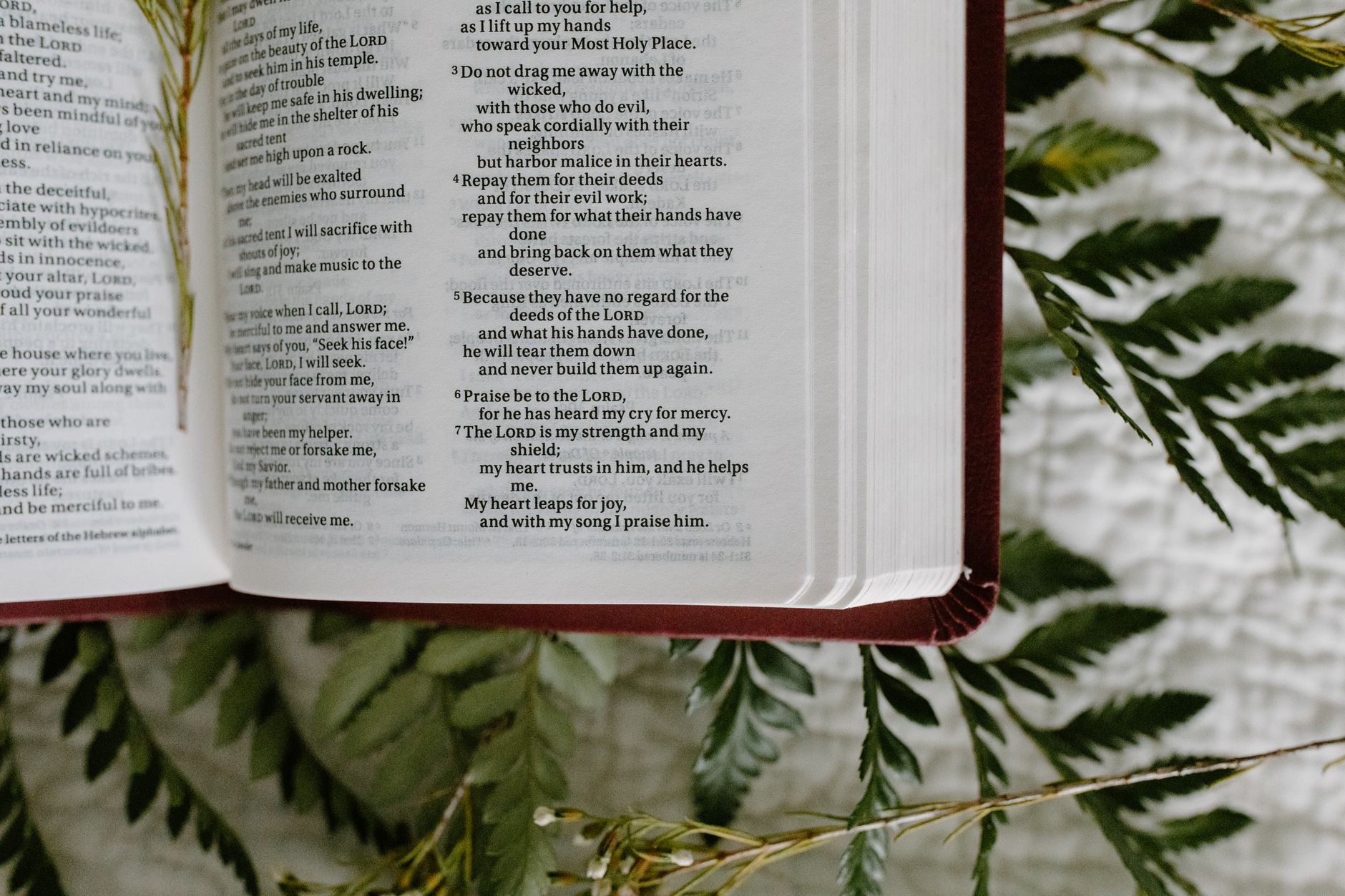
Introduction: Finding God in the Great Outdoors
Have you ever stood before the vastness of the ocean, felt the crisp mountain air on your face, or marveled at the intricate design of a flower? For many believers, nature is not merely a collection of biological processes or physical laws; it is a grand, living cathedral that speaks of the glory of its Creator. Throughout the Bible, the natural world is presented as a primary witness to the character, power, and faithfulness of God. As we study the Scriptures, we find that creation is a bridge between the finite human experience and the infinite majesty of the Almighty.
In this article, we will explore the deep, spiritual connection between God and His creation. By looking at what the Word of God says about the heavens, the earth, and all that dwells within them, we can learn to see our daily surroundings through the lens of faith. Whether we are walking through a park or reflecting on the seasons, we are invited to encounter the God who spoke the world into existence.
The Heavens Declare His Glory
One of the most foundational truths about nature is that it serves as a constant, silent sermon. Even without spoken words, the sky and the stars communicate a message that spans every language and culture. Psalm 19:1-2 says, “The heavens declare the glory of God; the skies proclaim the work of his hands. Day after day they pour forth speech; night after night they reveal knowledge.”
This passage reminds us that God’s presence is not hidden; it is broadcast across the canopy of space. When we look up, we are seeing the brushwork of an Artist who is beyond our full comprehension. Furthermore, the sheer scale of the universe humbles us. As we read in Psalm 8:3-4, “When I consider your heavens, the work of your fingers, the moon and the stars, which you have set in place, what is mankind that you are mindful of them, human beings that you care for them?” These verses help us maintain a healthy perspective: the God who commands the galaxies is the same God who intimately knows our names and cares for our hearts.
The Sustaining Power of the Creator
God is not a distant clockmaker who wound up the universe and walked away. He is intimately involved in the preservation of all living things. The beauty of nature is maintained by His constant, sustaining grace. Colossians 1:17 speaks directly to this reality: “He is before all things, and in him all things hold together.”
This divine orchestration extends to the smallest details of the ecosystem. In Matthew 6:26, Jesus teaches us to observe the birds as a lesson against anxiety: “Look at the birds of the air; they do not sow or reap or store away in barns, and yet your heavenly Father feeds them. Are you not much more valuable than they?” This encourages us to trust in God’s provision. If the Creator ensures the survival of the sparrow, how much more will He look after those made in His own image? Nature becomes a classroom for building our trust in God’s daily care.
The Wisdom Found in Creation
The natural world is also a source of wisdom. Throughout the Book of Proverbs and the Book of Job, God points to the habits and behaviors of animals to teach us about diligence, humility, and the importance of timing. Proverbs 6:6 reminds us, “Go to the ant, you sluggard; consider its ways and be wise!”
By observing the instinctual wisdom built into creatures, we gain insight into the order God has placed within the world. Job 12:7-10 echoes this sentiment, inviting us to broaden our scope of learning: “But ask the animals, and they will teach you, or the birds in the sky, and they will tell you; or speak to the earth, and it will teach you, or let the fish in the sea inform you. Which of all these does not know that the hand of the Lord has done this? In his hand is the life of every creature and the breath of all mankind.” Nature is an active teacher for those with ears to hear and eyes to see.
The Seasons and God’s Faithfulness
Life is often characterized by change, yet in the midst of shifting circumstances, God remains our anchor. The cycle of the seasons—winter, spring, summer, and fall—is a physical manifestation of God’s covenantal faithfulness. Genesis 8:22 states, “As long as the earth endures, seedtime and harvest, cold and heat, summer and winter, day and night will never cease.”
This promise was given to Noah, serving as a reminder that God governs time and nature. When we experience the changing seasons, we are witnessing a rhythm that God instituted to bring order to our lives. Just as the earth has its times of rest and times of growth, we too go through seasons. We can find peace knowing that the One who controls the rotation of the earth and the cycle of the seasons is also in control of the seasons of our lives, ensuring that His purposes are fulfilled in His perfect timing.
Creation’s Response to Its Maker
Nature does not just represent God; it actively responds to Him. There are countless instances in Scripture where the elements of nature—the wind, the waves, the trees, and the mountains—are described as worshiping or obeying the Lord. Psalm 98:7-8 paints a vivid picture of this: “Let the sea resound, and everything in it, the world, and all who live in it. Let the rivers clap their hands, let the mountains sing together for joy.”
This poetic language invites us to join the chorus. If the mountains and the rivers are singing to the Lord, how much more should our voices join in that song of praise? Furthermore, the Bible shows us that nature submits to the authority of Jesus. In Mark 4:39, during a fierce storm on the Sea of Galilee, we read: “He got up, rebuked the wind and said to the waves, ‘Quiet! Be still!’ Then the wind died down and it was completely calm.” This serves as a powerful reminder that while nature is beautiful, it is ultimately subject to the power of Christ. No matter how chaotic our personal storms may feel, the Lord of nature has the authority to speak peace into our lives.
The Groaning of Creation
While we appreciate the beauty of nature, we must also acknowledge the biblical truth that creation currently experiences the weight of the fall. The world we live in is not exactly as it was in the Garden of Eden. Romans 8:20-22 explains this tension: “For the creation was subjected to frustration, not by its own choice, but by the will of the one who subjected it, in hope that the creation itself will be liberated from its bondage to decay and brought into the freedom and glory of the children of God. We know that the whole creation has been groaning as in the pains of childbirth right up to the present time.”
This realization helps us understand why there is natural disaster and suffering in the world. However, it also gives us hope. The “groaning” is not a sign of hopelessness, but a sign that creation is waiting for the final restoration. As believers, we look forward to the promise of a new heaven and a new earth where the beauty of nature will be fully redeemed, free from the effects of sin and decay.
Stewardship: Our Responsibility to Nature
Because the earth belongs to God and declares His glory, we have a sacred duty to care for it. From the beginning, humanity was given the mandate to tend the garden. Genesis 2:15 says, “The Lord God took the man and put him in the Garden of Eden to work it and take care of it.”
Stewardship is an act of worship. When we protect the environment, value the wildlife, and use natural resources wisely, we are honoring the Creator. We are not owners of the earth, but caretakers. By living in a way that respects God’s handiwork, we testify to the world that we value what God has made. This responsibility is a privilege, allowing us to participate in the ongoing care of the world that He loves so deeply.
Finding Stillness in the Midst of Chaos
In our modern, fast-paced world, it is easy to lose touch with the natural rhythms that God has established. We spend hours in front of screens, often forgetting the beauty waiting right outside our door. Taking time to step away from the noise and enter the stillness of nature is a spiritual discipline. Jesus frequently sought out solitary places in nature to pray and connect with His Father. Luke 5:16 tells us, “But Jesus often withdrew to lonely places and prayed.”
If Jesus needed to withdraw into nature to commune with God, how much more do we? Whether it is a quiet morning walk, sitting in a garden, or simply looking at the trees from a window, allowing yourself time in nature can help you clear your mind and tune into the voice of the Holy Spirit. Use these moments to pray, to reflect on Scripture, and to simply be present with the God who made the world.
Closing Encouragement and Prayer
As we conclude our study on God and nature, let us carry with us a new awareness of the world around us. May you see every sunset, every mountain peak, and every blade of grass as a tiny, beautiful letter written by God to you. Nature is a testament to His power, a display of His beauty, and a witness to His love. When you feel overwhelmed, look at the stars and remember the greatness of your Father. When you feel lonely, look at the birds and remember that you are held in His hand. When you feel uncertain about your future, look at the seasons and remember that God is the author of your timeline.
Let us close with a prayer: Heavenly Father, we thank You for the beauty of the world You have created. Thank You for the heavens that declare Your glory and the earth that sustains our lives. Forgive us for the times we have taken Your creation for granted or failed to see You in the beauty around us. Help us to be good stewards of the earth and to find peace and wisdom in the natural world You have provided. May our hearts always be open to hearing the message of Your glory through all that You have made. We trust You with the seasons of our lives, knowing that You are the faithful Creator who holds all things together. In Jesus’ name, Amen.
The Symphony of the Created Order
Nature serves as a living testimony to the wisdom and intentionality of the Creator. The Bible frequently personifies the elements of the natural world, describing them as active participants in the worship and proclamation of God’s glory. This perspective shifts our view of the environment from being a mere backdrop for human activity to being a sacred reflection of God’s own character.
The heavens declare the glory of God; the skies proclaim the work of his hands. Day after day they pour forth speech; night after night they reveal knowledge. — Psalm 19:1-2
In this passage, David illustrates that the natural world is constantly communicating. It does not require human language to articulate the reality of a Divine Architect; its very existence functions as an unceasing sermon. When we observe the order of the cosmos, we are witnessing the silent, reliable testimony of the One who established the foundations of the earth.
God’s Providential Care for All Living Things
Beyond the grandeur of the stars and mountains, the Bible highlights God’s intimate involvement in the minute details of nature. The scriptures teach that God is not a distant deity who set the world in motion and abandoned it, but rather a Sustainer who provides for every creature, demonstrating His compassion and watchful eye over even the smallest aspects of His creation.
Look at the birds of the air; they do not sow or reap or store away in barns, and yet your heavenly Father feeds them. Are you not much more valuable than they? — Matthew 6:26
Jesus uses the natural behavior of birds to teach a profound lesson about trust and providence. By pointing to the needs of the natural world, He reminds us that if God is faithful to sustain the flora and fauna of the earth, His care for humanity is even more profound. Nature, in this sense, acts as a curriculum for faith, teaching us to rest in God’s reliable provision.
The Earth as a Stewardship Responsibility
Because the natural world is a direct manifestation of God’s handiwork, the Bible places a high value on the sanctity of the environment. Humanity is tasked with a unique role: to act as stewards of this creation. Recognizing nature as God’s possession changes how we interact with the land, the seas, and the creatures that inhabit them, moving us toward a posture of respect and responsible care.
The earth is the Lord’s, and everything in it, the world, and all who live in it. — Psalm 24:1
This verse serves as a foundational principle for environmental ethics. If the earth belongs to the Lord, then our interaction with nature is not an exercise of absolute ownership, but of faithful management. We are called to honor the Creator by cherishing and protecting the world He has made, acknowledging that every mountain, river, and forest is a part of His vast and holy estate.
Further Study
Continue exploring this topic with more resources: Bible Hub and BibleGateway.